SAS reports continued negative impact of COVID-19

Scandinavian Airlines-SAS issued this report for the last quarter:

MAY 2020โ€“JULY 2020

  • Revenue: MSEK 2,507 (13,401)
  • Income before tax (EBT): MSEK -2,071 (1,490)
  • Income before tax and items affecting comparability: MSEK -784 (1,495)
  • Net income for the period: MSEK -2,365 (1,162)
  • Earnings per common share: SEK -6.18 (3.04)

SIGNIFICANT EVENTS DURING THE QUARTER

  • SAS signs a SEK 3.3bn revolving credit facility agreement
  • SAS presents a revised business plan including measures to tackle the effects of the COVID-19 pandemic and revised sustainability goals
  • SAS presents a recapitalization plan to remedy the liquidity shortage and the negative equity caused by the COVID-19 outbreak

SIGNIFICANT EVENTS AFTER QUARTER END

  • SAS presents a revised recapitalization plan supported by shareholders representing 35.6% of shares and the noteholders committee. The plan is also approved by the European Commission

NOVEMBER 2019โ€“JULY 2020

  • Revenue: MSEK 17,478 (32,677)
  • Income before tax (EBT): MSEK -6,880 (-302)
  • Income before tax and items affecting comparability: MSEK -5,576 (-440)
  • Net income for the period: MSEK -6,696 (-240)
  • Earnings per common share: SEK -17.66 (-0.65)

CONTINUED NEGATIVE IMPACT OF COVID-19

We are encouraged to see that demand is slowly returning as we continue to ramp-up our operations. So far, the demand for air travel has developed in line with our expectations, with domestic traffic leading the way. Simultaneously we are making good progress in adapting our cost structure to a market defined by lower demand. Although there are significant challenges ahead, I am confident that SAS will return as a sustainable and profitable airline following a successful implementation of the recapitalization plan. Aviation fulfils a vital part of Scandinaviaโ€™s infrastructure, and is important to enable connectivity to the rest of the world as demand returns.

FINANCIAL SUMMARY

The coronavirus and travelling restrictions has led to a collapse in the demand for air travel. Consequently, the number of passengers traveling with SAS dropped 86% and total revenue decreased 81% in the quarter. Domestic travel has rebounded more quickly than other parts of our business and accounts for most of our quarterly revenue.

Despite our immediate measures to reduce costs to adapt to a new reality, the cost reduction of 67% did not offset the sharp decline in revenue. As a result, earnings before tax came in at SEK -2.1 billion, some SEK 3.6 billion below last year. The result was positively impacted by SEK 840 million from a strengthening of the Swedish krona, primarily against the US dollar. However, in line with other airlines, the negative development in aircraft valuations necessitated a SEK 1,040 million write down of some aircraft assets.

Our focus on preserving cash is evident through a monthly operating cash burn of SEK 320 million. This is of course significantly worse than last year but below the range we presented in the second quarter, and we will continue to monitor cash burn as we slowly continue to ramp-up operations. At the end of the third quarter our cash position was SEK 6.2 billion, which includes the SEK 3.3 billion drawn under the credit facility guaranteed by the Danish and Swedish states.

CUSTOMER DEMAND SLOWLY INCREASING

Demand continues to return slowly and in line with the estimated ramp-up plan we presented in the second quarter. In the quarter, demand was centered around domestic travel and attractive European summer destinations. In July, SAS operated 8,700 departures representing some 25% of prior year available seat kilometers. This is an increase of some 20 percentage points compared to the first month of this quarter. During the fourth quarter, we will continue to ramp-up production and we expect to reach 30% -40% of prior year available seat kilometers by the end of Q4.

Despite the slow but ongoing recovery as noted in our traffic figures, demand going forward remains uncertain and is heavily dependent on the easing of travel restrictions as well as passenger confidence and willingness to travel. Furthermore, it is difficult to predict how demand will evolve during the coming fall and winter due to changed customer behavior with bookings being made closer to the date of travel. Our current expectation is that the ramp-up phase for the airline industry may last until 2022 before demand can reach more normalized levels, with a return to pre COVID-19 levels a few years thereafter.

PROGRESS ON REVISED BUSINESS PLAN

SAS continues to make progress with its revised business plan, which is based on four building blocks: To be the preferred airline for Scandinaviaโ€™s frequent travelers; to transition to a hyper modern single-type fleet; to establish a fully competitive operating model, and; to achieve global leadership in sustainable aviation. During the quarter several milestones were reached.

Almost 4,000 redundancies (of approximately 5,000 in total) have now been concluded and local employment agreements are being renegotiated. In July, we signed an agreement to outsource ground handling operations in both Gothenburg and Malmรถ, concentrating our operations to the three main hubs in Copenhagen, Oslo and Stockholm. Even though the initiatives regarding our work force are difficult and unfortunate, these measures are unavoidable and necessary to safeguard SAS for the future.

Through constructive dialogue with Airbus, we have managed to defer 8 A320neo and 2 A350-900 aircraft deliveries. These deferrals are important as they reduce our capital expenditures for 2021โ€“2024 and better align deliveries of new aircraft with the expected return in demand. We are still committed to achieving a single-type fleet operation by 2023, based on new Airbus aircraft that will provide lower fuel consumption and reduced maintenance costs compared with our current fleet composition. Furthermore, we have made progress on our ambitious sustainability goals by accelerating the phase out of older and less fuel-efficient aircraft. We have also renegotiated agreements with several suppliers, including wet-lease providers. The new agreements will lead to lower costs and increased flexibility, through a higher share of variable costs going forward.

We have introduced new procedures to ensure that our customers experience the safest travel experience possible and continue to provide an attractive timetable for travelers to, from and within Scandinavia. At the same time, we regret that many customers are still waiting for refunds from canceled flights. I would like to emphasize that our customers that are entitled to refunds will be refunded, and we have increased our capacity to handle the large number of cancellations in these unprecedented circumstances.

PROGRESS ON RECAPITALIZATION PLANย 

Despite our own efforts, the COVID-19 pandemic has resulted in a need to remedy the liquidity situation and the negative equity caused by the outbreak. During the quarter SAS reached an agreement in principle with the noteholders committee representing a large proportion of the holders of SAS bonds and hybrid notes. Furthermore, the governments of Denmark and Sweden have now approved the revised recapitalization plan, which has also been approved by the European Commission under applicable State aid rules framework.

The next steps of the plan are to obtain a vote in favor of the offer from the bond and hybrid holders at the noteholders meeting on September 2, and a vote in favor of the recapitalization plan at the extraordinary shareholdersโ€™ meeting scheduled for September 22. The entire revised Recapitalization plan is expected to be completed early November.

SAS plays a vital role in connecting the Scandinavian countries to the rest of the world, as well as being an important infrastructure provider within the region. By focusing on rebuilding our domestic and intra-Scandinavian presence, we have been able to increase capacity ahead of competition. I am grateful that our major shareholders have decided to support SAS and trust that others will do the same in these unprecedented times.ย  SAS is determined to continue as Scandinaviaโ€™s leading airline as the world recovers from the COVID-19 pandemic.

On behalf of all of us at SAS, Iโ€™m looking forward to once again welcoming you onboard on one of our flights soon!

Rickard Gustafson,

President and CEO

Stockholm, 25 August 2020

Finnair starts co-operation negotiations on plans to reduce 1,000 jobs due to COVID-19 impacts and travel restrictions

Finnair has made this announcement:

Finnair has started co-operation negotiations on its plan to reduce up to 1,000 jobs, to make other structural changes and to implement additional temporary layoffs due to the impacts of the corona pandemic.ย Theย co-operation negotiationsย concern approximately 2,800ย employees working at Finnairย in Finland, and similarย processes are conducted in Finnairโ€™s units abroad.ย Finnairย employs a total ofย approximately 6,700ย employees, ofย whomย 6,200ย are based in Finland.ย Almost all ofย Finnairโ€™s employeesย in Finland have been temporaryย laid off for a part of the spring and summer.ย In addition to the planned personnel reductions, Finnair will continue to apply temporary layoffs forย practically allย its personnelย in Finland. The temporary layoffs can be either for fixed term or until further notice.

The goal is to ensure the continuity of Finnairโ€™s core operations so that cabin and flight deck crew can return to workย graduallyย as soon as the marketย recoversย and flights can be increased. For this reason, Finnair is not currently planning permanent reduction of its flying personnel in Finland.

โ€COVID-19 is the deepest crisis of aviation. The pandemic and the exceptionally tight travel restrictions in Finland have impactedย flight demandย andย we will operate only a small part of our capacity compared to last year. A rapid turn for the better in the pandemic situation is unfortunately notย inย sight. Our revenue has decreased considerably, and that is why we simply must adjust our costs to our new sizeโ€, says Topi Manner, Finnair CEO.

โ€Weย want to build a competitive future for Finnair and retain as many jobs at Finnair as possible. Also, we want to be able to offer good connections to the world for Finns and the Finnish economy in the future. Unfortunately, this requires the measures we announced today. As the timeline for aviationโ€™s recovery is unclear, our plan is also to implement significant temporary layoffs to adjust our resources.โ€

Finnair wants to act responsibly in this difficult situation and willย supportย affected employeesย throughย a social program,ย whichย will include practical job-to-job support,ย training andย guidanceย onย entrepreneurship.

The planned personnel reduction measures areย included in Finnairโ€™s savings target, which Finnair has today updated from 80 million eurosย to 100 million euros.

Texel Air adds its first Boeing 737-700 “FlexCombi”

Texel Air has made this announcement:

Texel Air, an established private airline and MRO based in the Kingdom of Bahrain, announces the arrival of the latest addition to its fleet, the Boeing 737-700 FlexCombiโ„ข (N393AG), a first of a kind aircraft conversion developed to provide the most versatile third party cargo charter solution available in the market today.ย 

The aircraft arrived at the Companyโ€™s private hangar at the Bahrain International Airport where it was greeted by H.E Engineer Kamal bin Ahmed Mohamed, Minister of Transportation & Telecommunications alongside other VIPs and the management and Board members of Texel Air.ย 

The aircraft, which will be based in the Kingdom of Bahrain, is unique in its ability to be configured in seven different ways for multiple purposes in a remarkably fast 48-hour time frame. The FlexCombiโ„ข can switch seamlessly to operate humanitarian, government, express integrator and commercial flights from major airports to smaller remote runways with configuration flexibility achieved without compromise in cargo volumes and customised mission capability. In addition to cargo, the aircraft is able to transport up to 24 people as well as offering the option for medical evacuation flights using two speciality medical beds installed on the aircraft. The aircraft is able to load both civil (PAG) and (463L) pallets and its initial and planned configurations include:ย 

Initial Configurationsย 

  • Cargo Mode: eight pallet positions and the passenger interior is fully removable.ย 
  • Combi 1: seven pallet positions and 12 economy seatsย 
  • Combi 2: six pallet positions and 24 economy seats ย 

Planned configurations

  • Combi 3: six pallet positions and 12 economy, 4 business class seats (16 seats total)
  • Combi 4: six pallet positions and 8 business class seatsย 
  • Combi 5: seven pallet positions and 4 business class seatsย 
  • MEDEVAC : six pallet positions, 2 Spectrum AEROMED stretchers and 6 economy seats

The FlexCombiโ„ข also has a number of standard and optional features outside of the multiple interior configurations. These operational enhancements were researched and adopted to ensure the aircraft was able to meet both current and evolving requirements of the airlineโ€™s diverse customer base.ย 

American Airlines boosts its clean commitment with sustained virus-killing coating to help safeguard customers from Coronavirus

American Airlines has made this announcement:

SurfaceWiseยฎ2 the first-ever long-lasting product approved by the EPA that will help fight the spread of the novel coronavirus

  • SurfaceWise2 creates a protective invisible layer that actively kills viruses.
  • American will be the first airline to use SurfaceWise2 from Allied BioScience as its electrostatic spraying solution.
  • The airlineโ€™s multitiered Clean Commitment strategy will continue.

American Airlines is upgrading its Clean Commitment by adding the electrostatic spraying solution SurfaceWiseยฎ2 from Allied BioScience to its multitiered cleaning and safety program in the coming months. The SurfaceWise2 solution is the first-ever long-lasting product to help fight the spread of the novel coronavirus that is approved by the U.S. Environmental Protection Agency (EPA).

โ€œThe American Airlines Clean Commitment is our promise that weโ€™re taking bold measures and using the latest products and technology to help ensure our customersโ€™ well-being when they travel with us,โ€ said David Seymour, Americanโ€™s Chief Operating Officer. โ€œThanks to rigorous evaluations conducted by the experienced professionals at the EPA, the American Airlines team and Allied BioScience, our multitiered program will become even stronger at safeguarding our customers and team members from virus such as coronavirus and the flu.โ€

โ€œSurfaceWise2โ€™s long-lasting defense provides a layer of protection against viruses not offered by any other solutions on the market,โ€ said Maha El-Sayed, PhD, Allied BioScience Chief Science Officer. We look forward to also seeing SurfaceWise2 used in offices, schools, gymnasiums and other high-traffic areas to support the nation in safely reopening.โ€

In the coming months, American will begin using SurfaceWise2 for electrostatic spraying on surfaces inside its aircraft with plans to use the product throughout its entire fleet, including those in its American Eagle regional partners. Other elements of the airlineโ€™s multitiered Clean Commitment, include enhanced aircraft cleaning performed before every mainline flight and an even deeper overnight cleaning.

โ€œSurfaceWise2 creates an invisible barrier on surfaces, which physically breaks down and kills virus cells,โ€ said Dr. Charles Gerba, a leading infectious disease expert. โ€œThis helps protect passengers and crew members against the transmission of coronavirus via surfaces, particularly on high-touch areas such as seats, armrests, tray tables and overhead bin doors.โ€

SurfaceWise-Infographic

Paired with the use of face coverings, thorough cleaning protocols and HEPA filters, the use of SurfaceWise2 will help make the travel experience even safer for team members and customers who are ready to return to the skies.

HEPA filters purify cabin air once every 2 to 4 minutes

High-efficiency particulate air (commonly known as HEPA) filters have purified the air on Americanโ€™s entire mainline fleet โ€” and most regional jets โ€” since the late 1990s. HEPA technology is also used in hospitals and medical facilities around the world, helping keep medical environments clear of bacteria and viruses while providing clean air.

Americanโ€™s Clean Commitment to Guests

American continues to build on its commitment to the safety and well-being of its customers and team members throughout their travel journey. The airline has implemented multiple layers of protection, including enhanced cleaning of Americanโ€™s spaces in airports and its airplanes and enforcement of its face coverings policy. Only those under the age of 2 are exempt from wearing a face covering while traveling with American.

American has expanded the frequency of cleaning in airport areas under its control, including gate areas, ticket counters, passenger service counters, baggage service offices and team member rooms. Customers on every flight receive sanitizing wipes or gel, and American has also limited food and beverage delivery on board aircraft to reduce touchpoints between flight attendants and customers.

In addition to using SurfaceWise2 as its new electrostatic spraying solution in the coming months, every mainline aircraft is disinfected at every turn, including hand-cleaning seat buckles, seats, tray table and numerous other surfaces. Located in the seatback pocket, American Way magazine is now printed with a new paper treatment process called Biomasterยฎ, which is an antimicrobial technology that helps prevent the growth of unwanted microbes.

American continues to work with the Global Biorisk Advisory Council for GBAC STARยฎ Accreditation for its fleet of aircraft and customer lounges. American is the first airline to seek GBAC STAR accreditation and expects to receive the designation by the end of 2020.

Cargolux promotes mask wearing on LX-VCF

From Cargolux:

One of our Boeing 747-8 freighters, LX-VCF has received its very own mask on its iconic nose-door, reflecting the airlineโ€™s commitment to the fight against COVID-19.

The company is also adding “50 Years” logo to its aircraft.

Both photo by the airline.

Neos promotes TRX Radio on EI-FLM

2020 "TRX Radio" promotional livery

TRX Radio is a project designed to target the Millennials and Generation Zs.
The project was born as a web radio station via apps.

For the launch, TRX Radio is being supported by Neos, the airline of the Alpitour Group, with which there has been a consolidated collaboration for several years.ย 

To celebrate the birth of the web radio station, one of the Neos planes wears this special livery, which depicts the six TRX rap ambassadors: Ensi, Fabri Fibra, Marracash, Salmo, Gue Pequeno and Clementino.

The destinations reached by the Boeing 737-800 registered as EI-FLM and named “Arsago Seprio” with the TRX livery are: the Red Sea, Canary Islands, Israel, Balearic Islands, Greece, Sicily and Sardinia.

The pace of TRX Radio will also be heard on board, with an ad hoc playlist with a rap and trap style that will accompany passengers throughout the flight.
Top Copyright Photo: The Boeing 737-800 EI-FLM displays the TRX special markings is pictured about to land at Palma de Mallorca. Neos Boeing 737-85F WL EI-FLM (msn 30571) (TRX Radio) PMI (Javier Rodriguez). Image: 951042.
Neos aircraft slide show:
Javier Rodriguez reporting from Spain.

Reuters: Delta Air Lines plans to resume more international routes

From Reuters:

“Delta Air Lines Inc on Friday said it plans to resume 50 flights on the international route this winter and in 2021 that were suspended due to the COVID-19 pandemic.

Delta said its resumed service would include daily flights from Seattle to Tokyo, Seoul, Beijing and Shanghai.”

EU Commission approves the Brussels Airlines stabilization package

On July 24, 2020 Brussels Airlines announced that it had reached an agreement with the Belgian Federal Government and Lufthansa to secure the future of Belgiumโ€™s home carrier and herewith the long-term development of the airline through a stabilization package. On August 17, 2020 the package was approved by the German Economic Stabilization Fund (WSF).
Today the EU Commission has also given its approval.

The stabilization package of 460 million euro – โ‚ฌ290 million from the Belgian Federal government and โ‚ฌ170 million from Lufthansa – covers in part the losses incurred by Brussels Airlines due to the crisis and secures at the same time tens of thousands of direct and indirect jobs that are linked to the activities of Brussels Airlines. Thanks to the package, the airline can finance its turnaround plan and herewith create a long-term and structurally profitable future.


Dieter Vranckx, CEO of Brussels Airlines: โ€œWith this news, we finally conclude the three pillars of our survival and long-term competitiveness. We are relieved that the execution of the financial transaction can take place. We will now shift all our focus towards a timely implementation of our turnaround plan Reboot Plus. Thanks to the support and trust we receive from our shareholder Lufthansa, the Belgian government and from all our employees, we can create a strong and competitive Brussels Airlines with long-term perspectives, an important engine for the Belgian economy. For that, I sincerely thank all involved parties.โ€

KLM will fly to Hangzhou again

KLM Royal Dutch Airlines has made this announcement:

As of August 27, 2020 KLM Royal Dutch Airlines will fly again to the Chinese city of Hangzhou. The weekly flight will be operated via Seoul Incheon (South Korea) with a Boeing 777-200. KLM is making every effort to add a second frequency as soon as possible.

KLM’s passenger flights to mainland China were suspended at the beginning of February in connection with COVID-19. Thanks to relaxation of travel restrictions by the Chinese government, KLM was able to resume passenger flights to Shanghai on July 21. The passenger flight to Hangzhou is now added as the second Chinese destination. KLM has continued to transport cargo to and from China.

The flight schedule is as follows:

  • KL 0857 departs from Amsterdam on Thursday at 18.55 hrs and arrives in Seoul Incheon at 12.25 hrs the next day. KL 0821 departs from Seoul Incheon at 13.50 hrs and arrives in Hanghzou at 15.00 hrs.
  • KL 0822 departs from Hangzhou on Friday at 18.50 hrs and arrives in Seoul Incheon at 21.55 hrs. KL 0858 departs from Seoul Incheon on Saturday at 00.25 hrs and arrives in Amsterdam at 04.45 hrs.

All times are local.

Extra hygiene measures

Naturally, KLM has taken measures to ensure that flights are safe for both passengers and staff. For example, face masks are mandatory when boarding and during the flight, extra hygiene equipment is on board and KLM’s aircraft areย additionally cleaned using suitable cleaning agents.ย The air on board is quickly refreshed using HEPA filters.

KLM complies with the strict requirements set by the Chinese government for the resumption of international flights. This means that passengers must complete a health declaration online and that the temperature of passengers is checked. The toilets, for example, are also inspected extra frequently during the flight. Furthermore, there are as few contact moments as possible between crew and passengers, which means there is limited catering available on these flights.

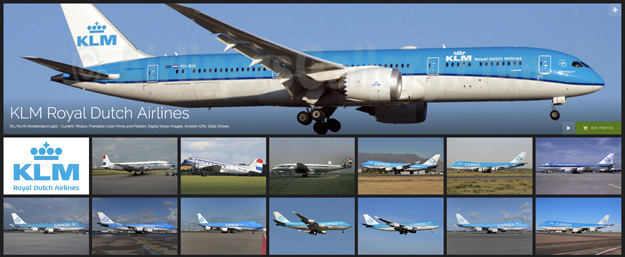
KLM aircraft photo gallery:

KLM aircraft slide show:

https://airlinersgallery.smugmug.com/frame/slideshow?key=5NtrWR&speed=3&transition=fade&autoStart=1&captions=0&navigation=0&playButton=0&randomize=0&transitionSpeed=2

Emirates to operate special flights to five cities

Emirates made this announcement:

Emirates will operate repatriation flights to Bengaluru, Kochi, Delhi, Mumbai, and Thiruvananthapuram from August 20 until August 31. The special flights will facilitate travel for Indian citizens in the UAE wishing to return home, and for residents of UAE currently in India to return to the UAE.

The airline will operate repatriation flights to India on the following dates:

  • Bengaluru: 21, 23, 25, 28, and 30 August
  • Kochi: 20, 22, 24, 27, 29 and 31 August*
  • Delhi: daily flights until 31 August
  • Mumbai: daily flights until 31 August
  • Thiruvananthapuram: 26 August*

All flights will be operated with the Emirates Boeing 777-300ER.

Flights from Dubai to India

Only Indian citizens stranded in the UAE will be allowed to fly from Dubai to the five Indian destinations.

Flights from India to Dubai

Flights will be available for UAE nationals and residents with prior entry approval from the General Directorate of Residency and Foreign Affairs (GDFRA) for residents of Dubai and ICA approval for residents of other emirates of the UAE, and whose final destination is the UAE.

Flights to/from Pakistan

Emirates has also revised its flight timings to/from Sialkot, Pakistan to offer customers better connections via Dubai with seven weekly flights – providing greater access to its current network of 75 cities across six continents. Effective August 22, Emirates flight EK 618 will depart Dubai at 20:55 hrs and arrive in Sialkot at 1:10 hrs. The return flight, EK 619 will depart Sialkot at 2:40 hrs and arrive in Dubai at 5:00 hrs.

In addition to Sialkot, Emirates offers customers direct flights to four other cities in Pakistan including Karachi, Islamabad, Lahore, and Peshawar.

Ensuring the safety of travellers, visitors, and the community, COVID-19 PCR tests are mandatory for all inbound and transit passengers arriving to Dubai (and the UAE),ย including UAE citizens, residents and tourists,ย irrespective of the country they are coming from.

*Flights from Kochi to Dubai will operate on 21, 23, 25, 28, 30 August and 1 September.

*Flights from Thiruvananthapuram to Dubai will operate on 27 August.